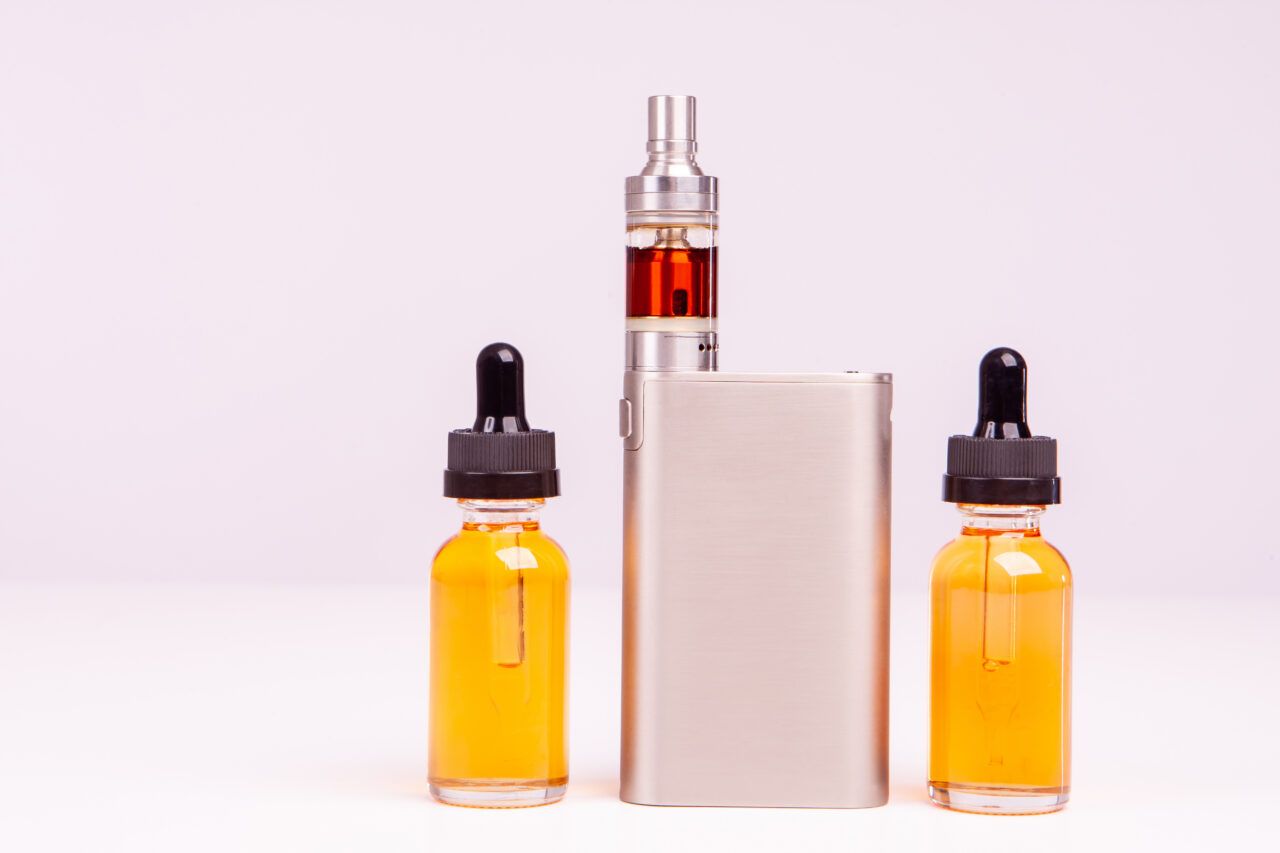
Choosing between freebase nicotine and nicotine salts is a decision that affects your vaping experience more than flavor, coil choice or battery size. Both are e-juice built on the same base ingredients, but the nicotine inside behaves very differently once it hits your throat and bloodstream. Understanding the two main e-liquid types makes it far easier to buy the right bottle next time you visit E-Cig International.
Essentially, nicotine salts suit low-power pods and high strengths, while freebase nicotine suits sub-ohm mods and lower strengths. However, these rules may bend.
What Freebase Nicotine Actually Is
Freebase nicotine is nicotine in its purest, de-protonated form, the same formulation the tobacco industry adopted decades ago to improve absorption. It is alkaline, with a pH usually in the 8 to 9 range, and that alkalinity is exactly what produces the sharp sensation in the back of the throat that longtime vapers call throat hit.
Because freebase nicotine feels harsh at higher concentrations, bottles are typically sold at 0, 3, 6 or 12 mg/mL. Most vapers using a powerful device settle on 3 mg or 6 mg, since the sheer volume of vapor delivers plenty of nicotine per puff even at a low concentration.
- Typical strengths: 3 mg to 12 mg/mL (0.3% to 1.2%)
- Common bottle sizes: 60 mL and 100 mL, often with a dropper or chubby gorilla cap
- Best match: sub-ohm tanks, box mods, direct-lung inhaling
- Sensation: pronounced throat hit, slower and steadier nicotine curve
How Nicotine Salts Changed the Equation
Nicotine salts are made by adding a weak acid, most often benzoic acid, to freebase nicotine. That reaction lowers the pH of the liquid to roughly 5 to 6, which smooths the harshness dramatically and lets manufacturers pack far more nicotine into the same milliliter without making it unpleasant to inhale.
The result is vape juice sold at 20, 25, 35, or 50 mg/mL that still feels gentle on the throat. Nicotine salts also reach peak blood plasma levels faster than freebase at comparable doses, which is why they satisfy cravings in a way that resembles a traditional cigarette. The U.S. Food and Drug Administration classifies both formulations as electronic nicotine delivery systems, and nicotine remains an addictive substance in either form.
- Typical strengths: 20 mg to 50 mg/mL (2% to 5%)
- Common bottle sizes: 30 mL, occasionally 60 mL
- Best match: pod systems, low-wattage pens, mouth-to-lung inhaling
- Sensation: minimal throat scratch, faster satisfaction, smaller clouds
Matching E-Liquid Types to Your Device
Device power is the deciding factor, and getting it wrong is unpleasant rather than dangerous. A 50 mg salt liquid fired through a 0.15-ohm mesh coil at 70 watts delivers an enormous nicotine dose per puff, which commonly causes dizziness, nausea and a racing heart. Running 3 mg freebase in a tiny pod, meanwhile, leaves most people puffing constantly and still unsatisfied.
Low-power pods and pens (roughly 8 to 25 watts)
Devices with coils rated 0.6 ohm and above produce modest vapor volume, so they need concentration to compensate. Nicotine salts at 20 mg to 35 mg work well for most former smokers, and 50 mg suits people who previously smoked more than a pack a day. Refillable pod kits also let you experiment cheaply before committing to a larger bottle.
Sub-ohm tanks and box mods (roughly 40 to 90 watts)
Coils below 1.0 ohm vaporize several times more liquid per second, which is why freebase at 3 mg or 6 mg is standard. If you build or rebuild your own coils, the 510 threading and hardware compatibility guide is worth a read before you pair a new tank with an older mod. Dialing in wattage matters too, since running a coil above its rated range scorches flavor regardless of which nicotine you chose.
PG and VG Ratios Matter as Much as the Nicotine
Every bottle also lists a ratio of propylene glycol to vegetable glycerin, and that ratio changes how the liquid works and how much vapor it makes. PG is thin and carries flavor well; VG is thick, sweet and produces dense clouds. High-VG liquid in a small pod coil often causes dry hits because the juice cannot wick fast enough through narrow channels.
- 50/50 or 60/40 PG/VG: pods, small tanks, most salt nicotine liquids
- 70/30 VG/PG: the standard for sub-ohm tanks and mesh coils
- Max VG (80% or higher): cloud chasing, rebuildable atomizers, wide wicking ports
Anyone sensitive to PG tends to notice throat dryness or a mild cough, and shifting toward higher VG usually helps. Learning to read the label properly saves a lot of guesswork at the counter.
Flavor, Cost and Shelf Life
Flavor perception differs between two formulations. Freebase liquids run hotter and brighter, which flatters tobacco, menthol and complex dessert blends, while salts taste sweeter and rounder, which suits fruit and candy profiles. Neither is objectively better, though heavy flavor chasers usually prefer the extra vapor volume of a sub-ohm setup.
Cost tends to favor salts for light users and freebase for heavy ones. A pod user often goes through 2 mL to 3 mL per day, so a 30 mL bottle lasts a week and a half; a sub-ohm vaper can burn 5 mL to 8 mL daily, making 100 mL bottles the cheaper route per milliliter.
Storage rules are identical for both. Heat, sunlight and oxygen degrade nicotine and darken the liquid, which is why shelf life questions come up constantly and why the most common storage mistakes ruin juice well before the printed date. A cool cupboard and tightly closed caps get most bottles to the 18 to 24 month mark.
A Quick Decision Guide
- Recently quit smoking and using a pod? Start with bulk e-juice, 25 mg to 35 mg salt nicotine and adjust after a week.
- Want big clouds and adjustable wattage? Buy 3 mg or 6 mg freebase in a 70/30 VG blend.
- Vaping mostly for flavor with little nicotine? Freebase at 0 mg or 3 mg gives the widest flavor selection.
- Carrying two devices? Salts for the pocket pod, freebase for the mod at home is a very common pairing.
If you are still deciding on hardware first, the beginner starting point covers device categories before you commit to a nicotine type. The Centers for Disease Control and Prevention also publishes current data on nicotine use and cessation, useful context for anyone switching away from cigarettes.
Frequently Asked Questions
Can nicotine salts be used in a sub-ohm mod?
Only at low strengths, generally 3 mg to 6 mg, and even then it is uncommon. A 50 mg salt liquid in a 0.2-ohm coil delivers roughly ten times the nicotine per puff that the formulation was designed for, which frequently causes nausea and headaches.
What nicotine strength equals a pack of cigarettes?
A 30 mL bottle of 35 mg salt nicotine contains about 1,050 mg of nicotine, roughly comparable to 50 to 60 cigarettes in total content, though absorption differs. Most pack-a-day smokers land between 25 mg and 50 mg salts, or 6 mg freebase in a sub-ohm device.
Do nicotine salts last longer than freebase e-juice?
Yes, typically two to three times longer per milliliter, because pod devices consume 2 mL to 3 mL daily versus 5 mL or more in a sub-ohm tank. Chemical stability is similar for both, with 18 to 24 months of usable shelf life when stored away from heat and light.
Which type causes less throat irritation?
Nicotine salts, because benzoic acid drops the pH to around 5 to 6 compared with 8 to 9 for freebase. Vapers who find any nicotine harsh can also raise the VG percentage, which softens the inhale further.
Not Sure Which Bottle to Grab?
Browse the full e-liquid and hardware selection to compare strengths, PG/VG ratios and flavor profiles side by side. Contact us today to match a nicotine type to your exact device, using the coil resistance and wattage you run.